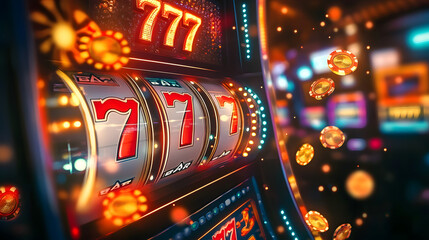
The Nature of Chance in Gambling
When it comes to gambling, chance plays a significant role in determining the outcomes of games. Every casino game, whether it’s slots, blackjack, or roulette, has built-in probabilities that dictate the likelihood of winning or losing. These probabilities are typically represented as odds, which indicate how likely a player is to achieve a favorable outcome. For those interested in exploring different platforms, understanding the games at https://spinsykasino.com.de/ can enhance their knowledge of odds and strategies when they engage in any form of gambling. It is essential to recognize that these odds are not merely random; they are calculated by the casino to ensure profitability over time.
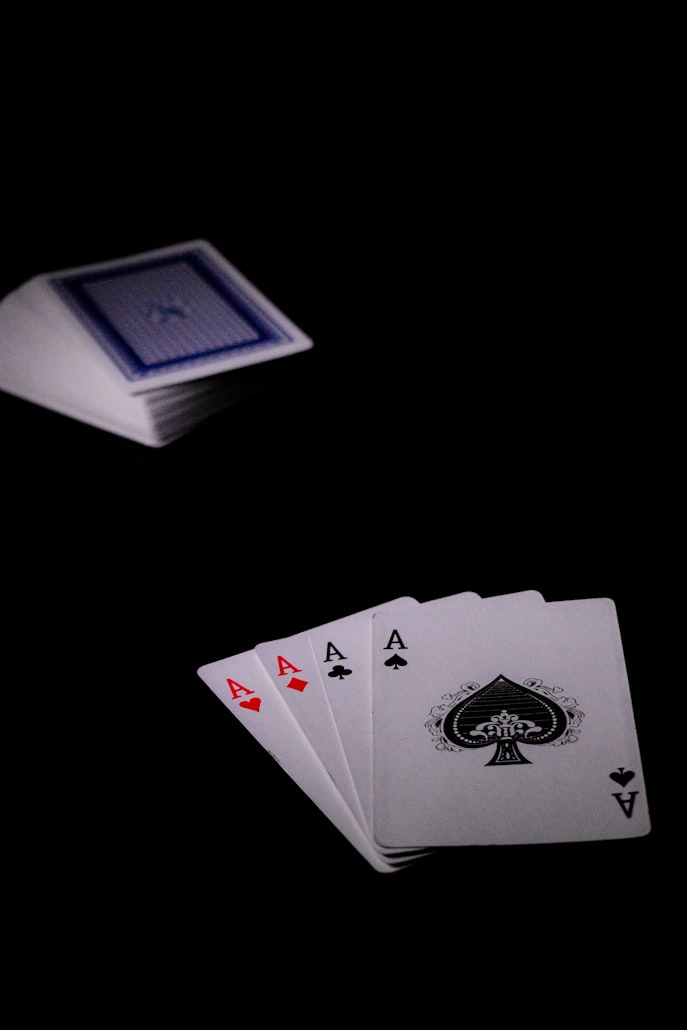
A common misconception among players is that they can change the odds in their favor through various strategies. While some games, like poker, allow for skillful play to influence the results, many games of chance do not offer this opportunity. For example, in a game of roulette, no amount of betting patterns or strategies can change the underlying odds set by the game itself. Recognizing this distinction is critical for any player hoping to navigate the gambling landscape effectively.
Moreover, even with informed knowledge of odds, the unpredictable nature of chance means that outcomes can be entirely random. For instance, a player may win several times in a row, leading them to believe they have found a winning strategy or pattern. However, this is often just a statistical anomaly, as the odds remain unchanged with each spin or hand dealt. Therefore, while understanding the nature of chance can enhance a player’s experience, it does not guarantee a way to beat the odds effectively.
The Role of Skill in Casino Games
While many casino games are purely based on luck, others involve a significant element of skill. Games like poker and blackjack give players the chance to influence their results through strategic decision-making. In poker, for instance, understanding probabilities, reading opponents, and making calculated bets can significantly improve a player’s chances of winning. Successful poker players often spend years mastering these skills, showcasing that while odds may be against them, skill can create a competitive advantage.
In blackjack, players can employ strategies such as card counting to improve their chances of winning against the house. By tracking the ratio of high cards to low cards still in the deck, skilled players can make more informed betting decisions. Although casinos frown upon card counting and may take measures to counteract it, the fact remains that skill can impact the outcome in games that allow for strategic play.
Nonetheless, it is essential to note that while skillful play can minimize losses and enhance winning potential, it does not erase the house edge that casinos hold. Every game is designed to ensure that the house maintains a long-term advantage, meaning that even the most skilled players will face challenges in consistently beating the odds. Therefore, while players can improve their skills, they must also remain aware of the inherent limitations imposed by the house edge.
Understanding the House Edge
The house edge is a fundamental concept in casino gaming that refers to the mathematical advantage that a casino has over players. It is typically expressed as a percentage and represents the average amount the house expects to win from each bet placed over time. For example, in games like roulette, the house edge may be around 5% due to the presence of the zero or double zero, which ensures that players do not receive payouts in line with true odds. This built-in advantage guarantees long-term profitability for the casino.
Understanding how the house edge functions can help players make more informed decisions when they choose which games to play. Games with a lower house edge, such as blackjack or video poker, offer better odds than those with a higher house edge. This knowledge can influence a player’s choice of games and betting strategies, ultimately impacting their overall experience. Moreover, recognizing the house edge can help players set realistic expectations about their chances of winning.
However, it is crucial to remember that the house edge is not an immediate indicator of losing every time; it reflects probabilities over a long period. A player may win frequently in the short term, but statistically, the house edge will prevail over countless plays. Hence, while players can enjoy the thrill of winning, they must also be prepared for losses and view gambling primarily as entertainment rather than a surefire way to make money.
The Psychological Aspect of Gambling
Gambling is not just a numbers game; it is also deeply rooted in psychology. The emotions players experience, such as excitement and anxiety, can affect decision-making and risk assessment during play. This psychological aspect can lead to cognitive biases, where players may overestimate their chances of winning and underestimate the risks associated with gambling. For instance, the illusion of control can lead players to believe that they can influence random outcomes, particularly in games driven by chance.
Furthermore, the concept of chasing losses is a common psychological trap in gambling. After experiencing a loss, players may feel compelled to continue betting in an attempt to recover their losses, often leading to even greater financial detriments. Understanding these psychological factors can be key to maintaining a healthier relationship with gambling. Players who can recognize their emotional triggers are better equipped to set limits and enjoy gambling responsibly.
In addition, casinos are designed to enhance the gambling experience through clever psychological tactics. The environment, including lighting, sounds, and even scents, is carefully orchestrated to create a sense of excitement and anticipation. This can lead to longer play sessions and increased spending as players get caught up in the moment. Recognizing these tactics can empower players to make more conscious choices and avoid getting swept away in the thrill of gambling.
Conclusion and Responsible Gambling Practices
In conclusion, while the odds in a casino are designed favorably for the house, understanding the nature of chance, skill, and the house edge can enhance a player’s approach to gambling. It is essential for players to recognize that while it is possible to enjoy wins through skillful play and strategic decision-making, the inherent risks of gambling must be navigated carefully. The key lies in approaching gambling as a form of entertainment rather than a guaranteed means of income, ensuring that expectations align with reality.
Moreover, responsible gambling practices are crucial for anyone looking to engage with casino games. Setting personal limits on time and money spent, recognizing when to walk away, and understanding the importance of maintaining a balanced perspective on wins and losses are fundamental to a positive gambling experience. Ultimately, enjoying the games while being mindful of the risks can help players navigate the casino landscape more effectively.
For further insights and information on gambling responsibly, players can explore various resources dedicated to promoting responsible gambling. Educational content and tools are available to assist in maintaining a healthy approach to gaming. Embracing a well-informed perspective about the odds and practices in casinos can lead to a more enjoyable and sustainable gambling experience.